Working from home offers flexibility and convenience, but it also comes with unique challenges. Creating a productive home office environment is key to maintaining focus and achieving your work goals. Whether you have a dedicated room or a small corner, the right setup can make a big difference in your daily routine. Here are some helpful tips to design a home office that supports productivity, comfort, and wellbeing.
Choose the Right Location
Prioritize Quiet and Privacy
Select a spot in your home where interruptions are minimal. A quiet corner away from common areas helps reduce distractions and keeps you focused on tasks. If possible, choose a room with a door you can close for added privacy.
Consider Natural Light
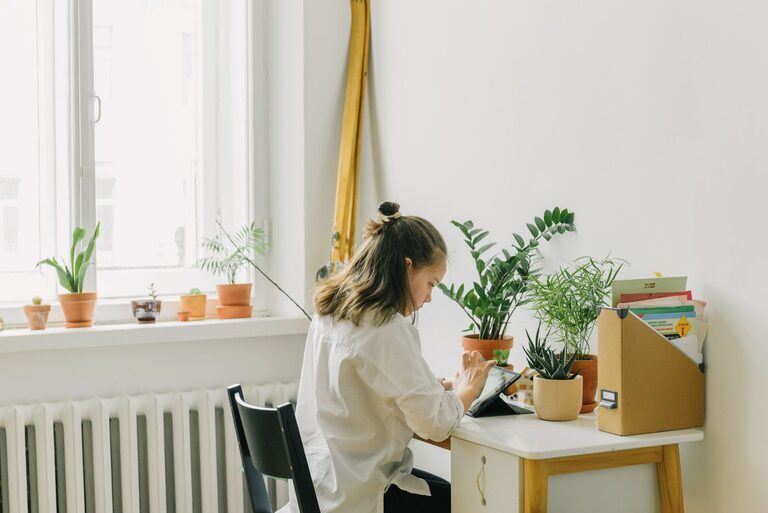
Natural light improves mood and energy levels. Position your desk near a window to take advantage of daylight. If natural light is limited, invest in good task lighting to avoid eyestrain.
Invest in Ergonomic Furniture
Choose a Comfortable Chair
Your chair plays a crucial role in comfort and posture. Look for adjustable chairs with good lumbar support to prevent back pain during long work sessions.
Desk Height and Setup
Ensure your desk is at a height that keeps your arms at a 90-degree angle when typing. If you use a laptop, consider a laptop stand with an external keyboard and mouse to keep your screen at eye level.
Organize Your Workspace for Efficiency
Declutter Regularly
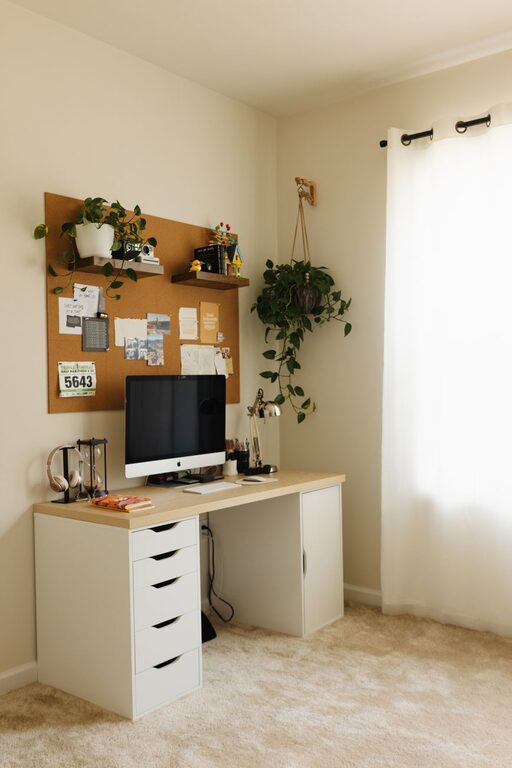
Keep your desk clear of unnecessary items. A clutter-free space helps reduce mental distractions and improves focus.
Use Storage Solutions
Shelves, drawers, and organizers can help keep important documents and supplies within reach but out of the way. Label containers for easy access.
Integrate Technology Thoughtfully
Reliable Internet Connection
Ensure your internet connection is fast and reliable to avoid interruptions during video calls or file uploads.
Optimize Equipment
Use quality headphones with a microphone for clear communication. Position monitors to avoid glare and reflections.
Establish a Routine
Set Regular Working Hours
Define clear start and end times for your workday. Sticking to a schedule helps separate work from personal time and maintains productivity.
Take Breaks
Incorporate short breaks throughout your day to recharge. Simple stretching or stepping outside can refresh your mind and body.
Personalize Your Space
Add Inspiring Elements
Decorate with plants, artwork, or motivational quotes that make your workspace inviting and enjoyable.
Maintain Comfort
Adjust room temperature and ventilation for a comfortable environment. Small touches like a cozy blanket or slipper can add to your comfort without compromising professionalism.
Minimize Distractions
Use Noise-Canceling Tools
If outside noise is unavoidable, noise-canceling headphones or white noise machines can help maintain focus.
Manage Interruptions
Communicate your work schedule to family or housemates to minimize unplanned disruptions.
Prioritize Health and Wellness
Practice Good Posture
Take regular moments to check your posture. Consider standing desks or balance balls as alternative seating options.
Stay Hydrated and Nourished
Keep water and healthy snacks nearby to maintain energy levels.
Embrace Flexibility and Adaptability
Adjust as Needed
What works well initially might need changes over time. Regularly assess your workspace and routines to keep them aligned with your productivity goals.
Explore New Tools
Stay open to trying productivity apps or new organizational methods that can enhance your workflow.
—
Creating a productive home office environment is about balancing comfort, organization, and focus. With thoughtful planning and simple adjustments, you can transform your home workspace into a place that motivates and supports your best work every day.
About the Author